Advanced Multi-Stage Filtration Technology
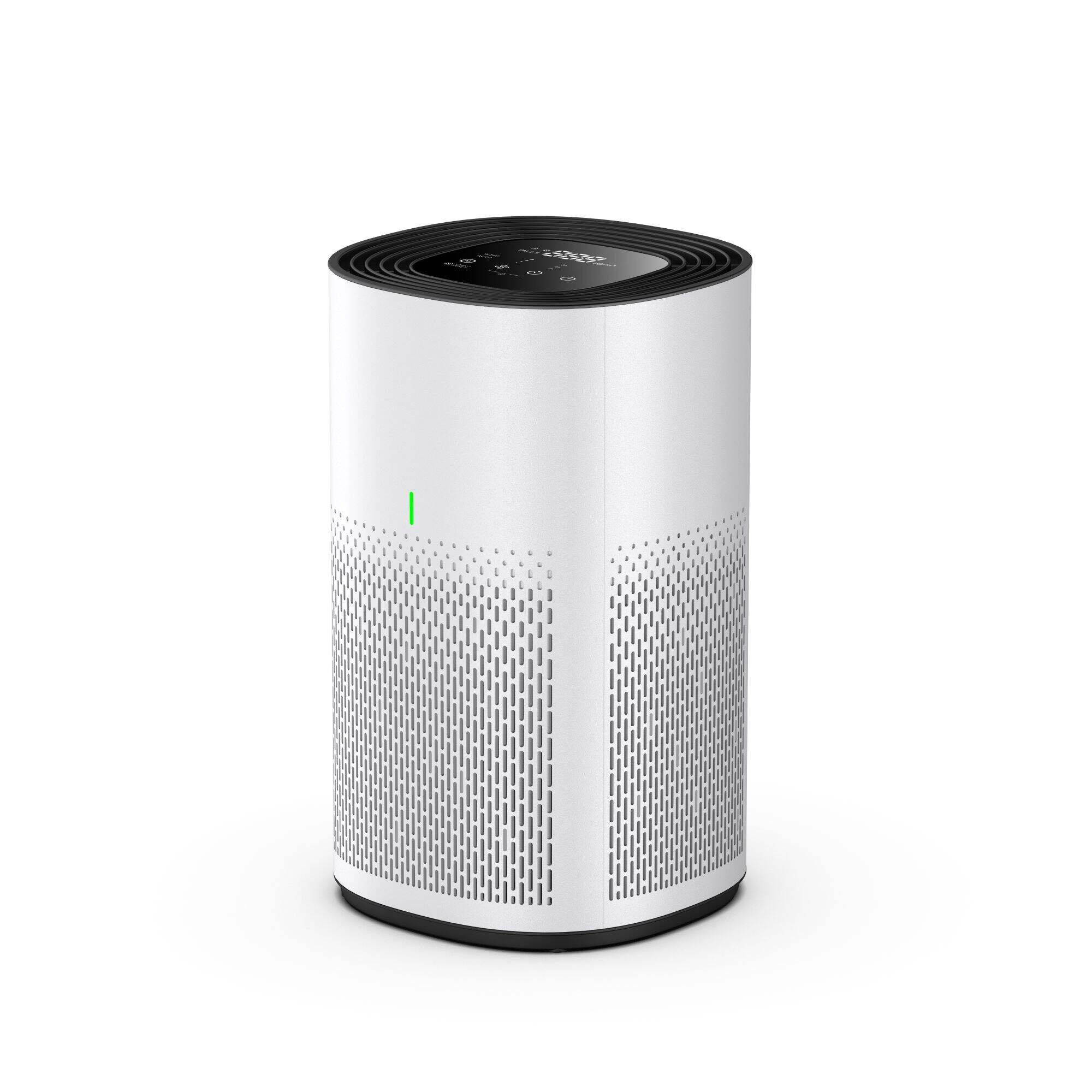
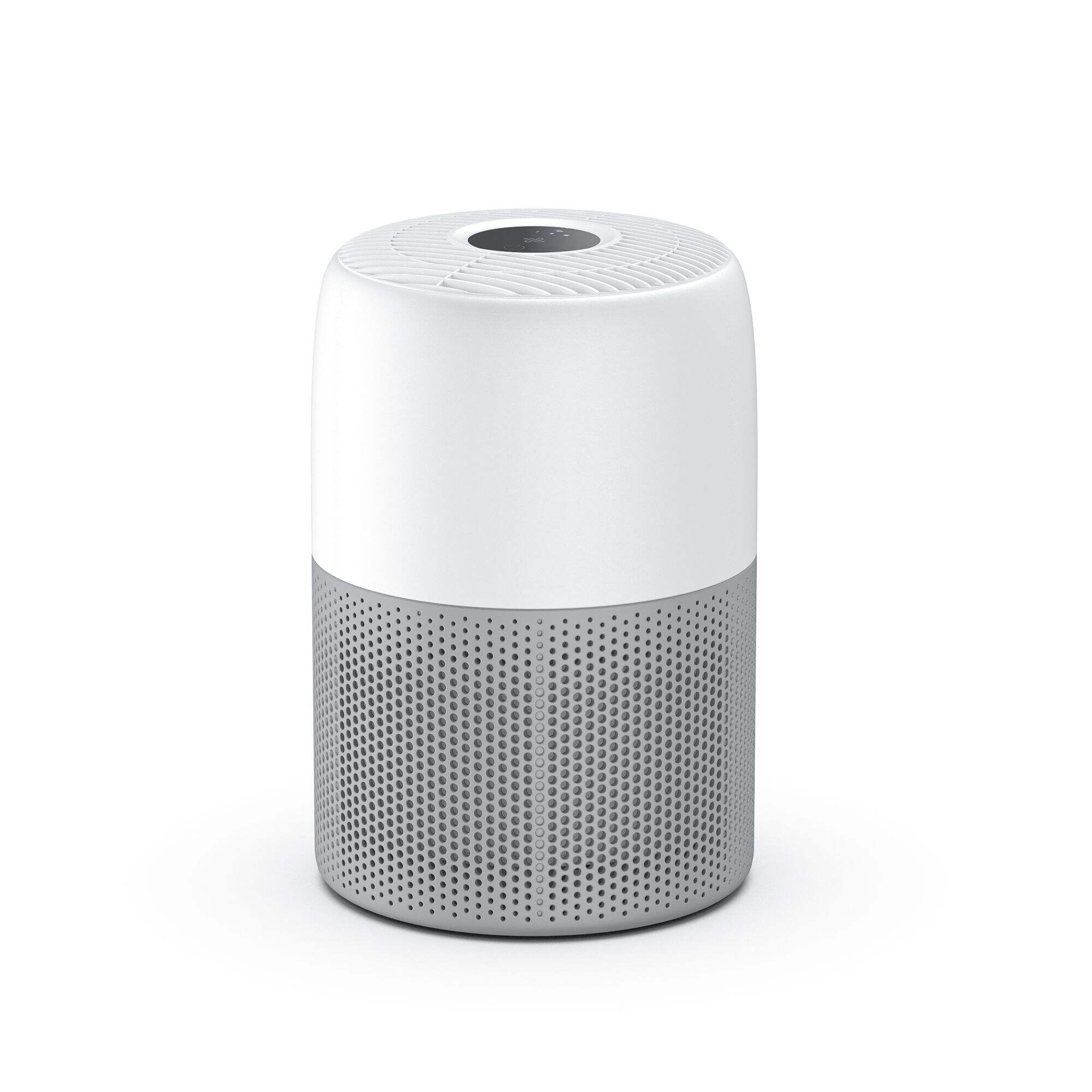
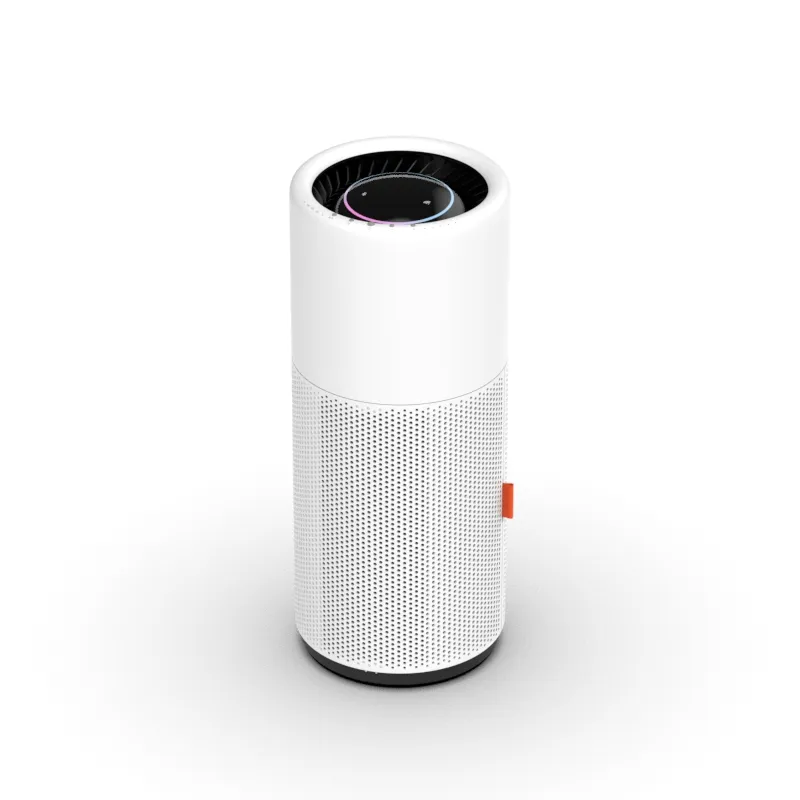
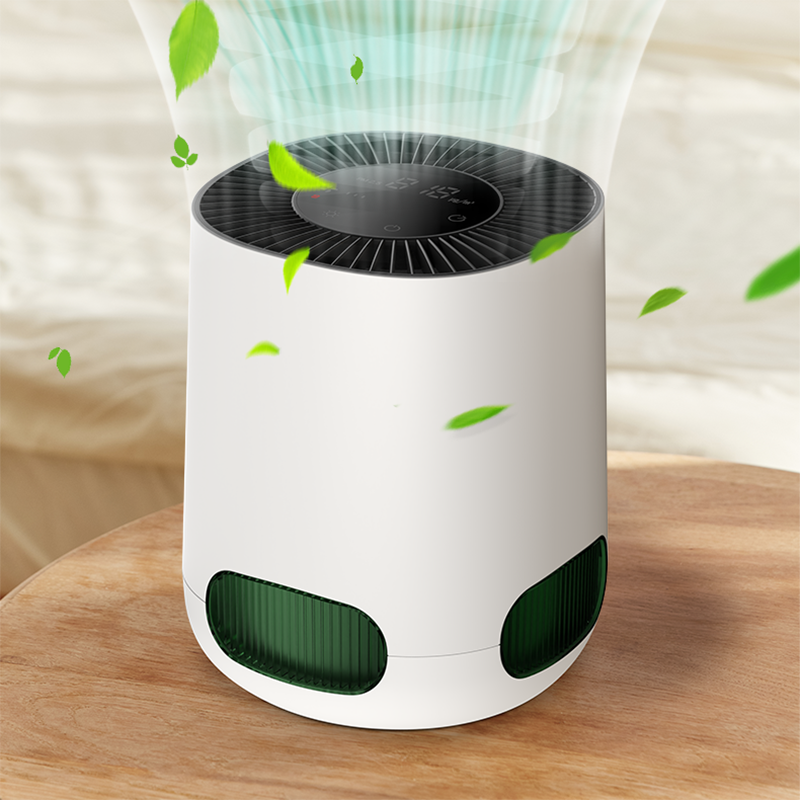
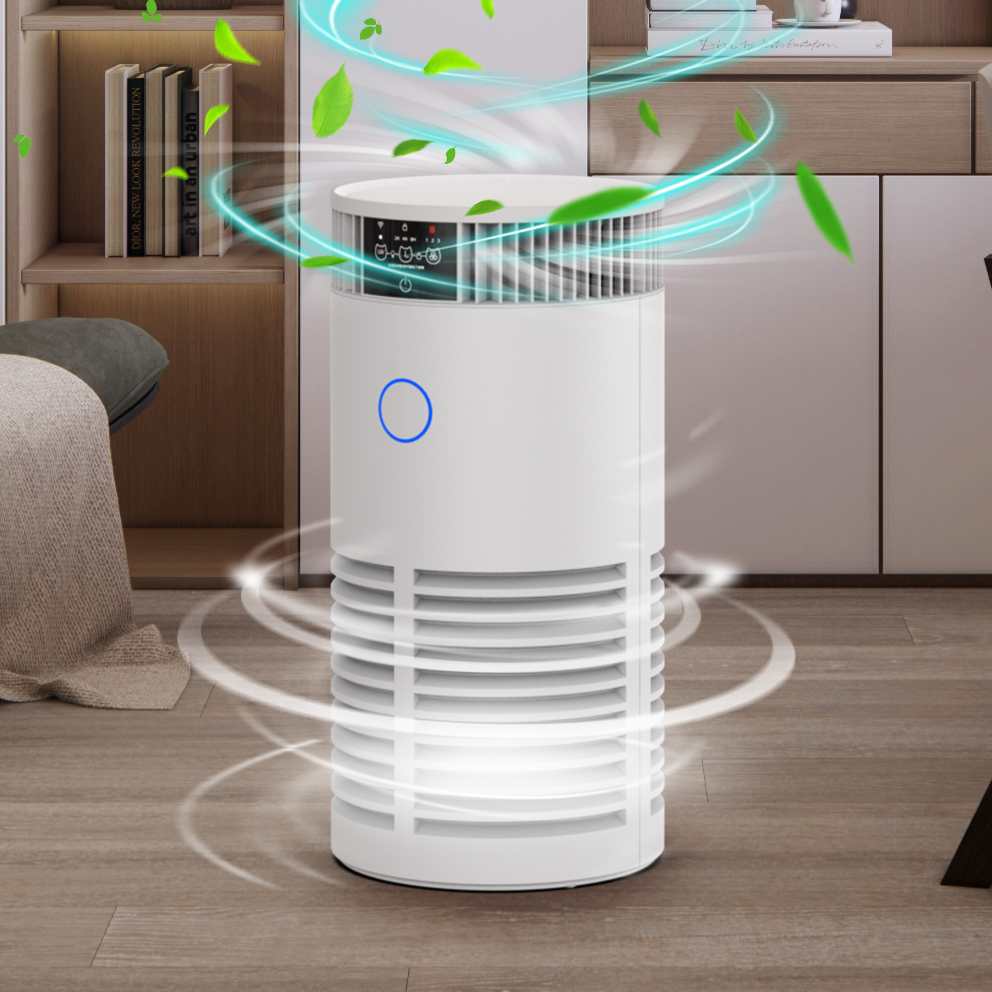
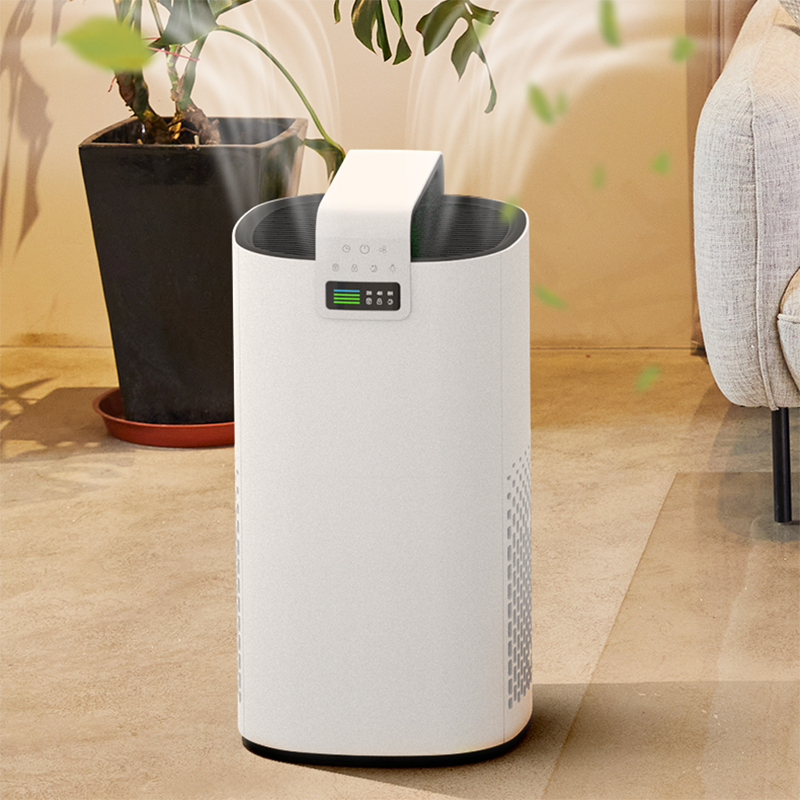
The hallmark of any exceptional home air purifier factory lies in its commitment to developing and implementing advanced multi-stage filtration systems that address the complete spectrum of indoor air contaminants. This sophisticated approach combines several purification methods into a single cohesive system, creating a comprehensive defense against pollutants that single-technology devices cannot match. A quality home air purifier factory engineers its products with an initial pre-filter stage that captures large particles such as dust, hair, and visible debris, extending the lifespan of subsequent filtration layers while maintaining optimal airflow throughout the device. Following this preliminary capture, the second stage typically features a true HEPA filter manufactured to strict specifications that remove 99.97 percent of particles as small as 0.3 microns, including pollen, mold spores, bacteria, and fine dust that trigger allergies and respiratory issues. The third stage incorporates activated carbon filtration, where millions of microscopic pores absorb gaseous pollutants, cigarette smoke, cooking odors, and volatile organic compounds released by household products and building materials. Many advanced home air purifier factory designs include additional stages such as UV-C light chambers that neutralize viruses and bacteria through germicidal irradiation, and ionization technology that electrically charges particles to enhance capture efficiency. This multi-layered approach ensures that whether contaminants are solid, liquid, or gaseous, they encounter multiple opportunities for removal before clean air returns to your living space. The engineering expertise within a home air purifier factory allows designers to optimize the placement, density, and surface area of each filtration component, balancing maximum purification effectiveness with energy consumption and noise levels. Furthermore, factories that invest in proprietary filter designs often achieve superior performance compared to generic alternatives because they control material quality, pleat geometry, and seal integrity throughout the manufacturing process. This technological sophistication delivers tangible benefits to customers: fewer allergy symptoms, reduced asthma triggers, elimination of unpleasant odors, and measurable improvements in overall indoor air quality that contribute to better sleep, increased productivity, and enhanced quality of life for all household members.
 EN
EN
 AR
AR
 NL
NL
 FR
FR
 DE
DE
 EL
EL
 HI
HI
 IT
IT
 JA
JA
 KO
KO
 PL
PL
 PT
PT
 ES
ES
 ID
ID
 VI
VI
 TH
TH
 TR
TR
 MS
MS