
 EN
EN
 AR
AR
 NL
NL
 FR
FR
 DE
DE
 EL
EL
 HI
HI
 IT
IT
 JA
JA
 KO
KO
 PL
PL
 PT
PT
 ES
ES
 ID
ID
 VI
VI
 TH
TH
 TR
TR
 MS
MS

How Can Car Air Purifiers Help Reduce Vehicle Odors and Allergens?
Vehicle interiors can harbor a surprising array of pollutants, from everyday odors to harmful allergens that compromise both comfort and health. Modern drivers spend considerable time in their cars, making air quality a critical concern for daily well-being. Car air purifiers have emerged as an effective solution to combat these airborne contaminants, offering advanced filtration technology specifically designed for automotive environments. These compact devices work continuously to eliminate unwanted particles, neutralize odors, and create a cleaner breathing space for passengers. Understanding how these purification systems function and their specific benefits can help drivers make informed decisions about improving their vehicle's air quality.
Understanding Vehicle Air Contamination Sources
External Pollution Infiltration
Vehicle cabins are constantly exposed to external pollutants that seep through ventilation systems and door seals. Exhaust fumes from surrounding traffic contain harmful chemicals including carbon monoxide, nitrogen oxides, and particulate matter that can accumulate inside the passenger compartment. Industrial emissions, pollen, and dust particles also find their way into vehicles through various entry points. Urban environments present particularly challenging conditions where smog, diesel particulates, and construction dust create a cocktail of airborne contaminants. Even during highway driving, vehicles encounter agricultural chemicals, road dust, and emissions from heavy machinery that can compromise interior air quality.
The concentration of pollutants inside vehicles can actually exceed outdoor levels due to the enclosed nature of the cabin space. Traffic congestion creates pockets of concentrated emissions that infiltrate through air conditioning systems and gaps in vehicle construction. Weather conditions also play a significant role, with high humidity trapping pollutants and creating ideal conditions for mold and bacterial growth. Understanding these external sources helps drivers recognize why passive ventilation alone cannot adequately address air quality concerns in modern vehicles.
Internal Contamination Factors
Interior vehicle surfaces and materials contribute significantly to air quality degradation through off-gassing and particle retention. Synthetic materials used in dashboards, seat covers, and trim pieces release volatile organic compounds over time, creating that distinctive new car smell that can persist for months. Fabric upholstery and carpeting act as reservoirs for allergens, trapping pet dander, pollen, and dust mites that circulate through the cabin air. Food particles, beverage spills, and organic matter provide breeding grounds for bacteria and fungi that produce unpleasant odors and potential health hazards.
Human occupancy adds another layer of contamination through respiratory droplets, skin cells, and personal care products that contribute to airborne particle loads. Smoking residue creates persistent odors and harmful chemical compounds that penetrate deeply into porous surfaces. Pet transportation introduces additional allergens and odors that can become embedded in vehicle interiors. These internal factors work in combination with external pollutants to create complex air quality challenges that require active purification solutions rather than simple ventilation.
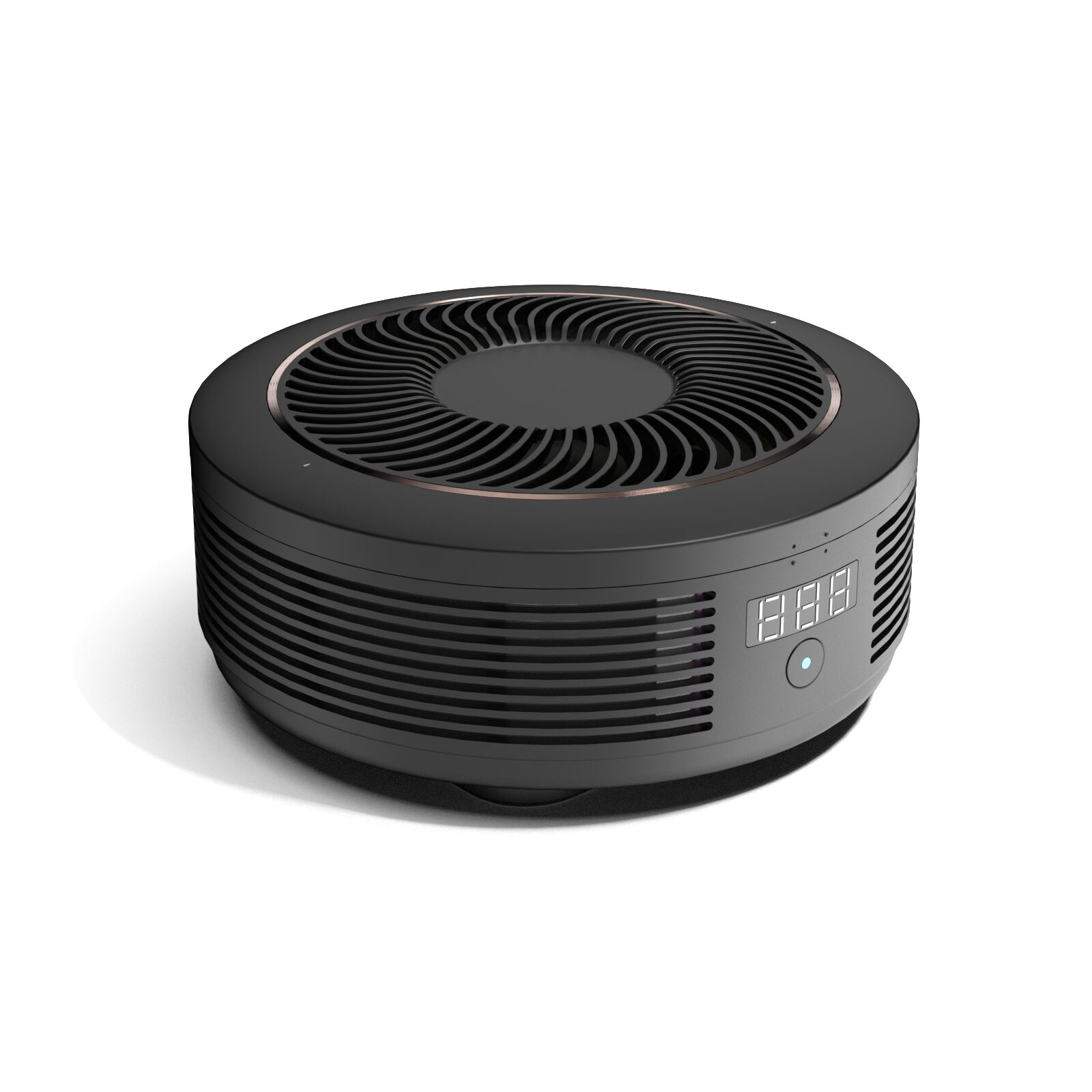
Car Air Purifier Technology and Mechanisms
HEPA Filtration Systems
High-Efficiency Particulate Air filters represent the gold standard in mechanical air purification, capable of removing 99.97% of particles measuring 0.3 microns or larger. These filters utilize dense fiber mats that trap contaminants through multiple mechanisms including impaction, interception, and diffusion. Car air purifiers equipped with true HEPA filters effectively capture allergens such as pollen, dust mites, pet dander, and microscopic particles that trigger respiratory sensitivities. The multilayer construction creates a labyrinth path that forces air through increasingly fine filtration stages, ensuring comprehensive particle removal.
HEPA technology proves particularly effective against airborne pathogens, including bacteria and some viral particles that can circulate within vehicle cabins. The mechanical nature of this filtration method means it requires no chemical additives or electrical power beyond the fan motor, making it a safe and reliable purification approach. Regular filter replacement maintains optimal performance, with most automotive HEPA systems designed for easy maintenance accessibility. Advanced models incorporate pre-filters to extend HEPA filter life by capturing larger particles before they reach the primary filtration stage.
Activated Carbon and Chemical Absorption
Activated carbon filtration addresses gaseous pollutants and odors that mechanical filters cannot capture effectively. The highly porous structure of activated carbon provides enormous surface area for chemical adsorption, with each gram containing hundreds of square meters of active sites. This technology excels at removing volatile organic compounds, cigarette smoke residue, fuel vapors, and industrial chemicals that create unpleasant odors and potential health concerns. Different carbon formulations target specific contaminant categories, with some varieties treated to enhance performance against particular chemical families.
Modern car air purifiers often combine activated carbon with other filtration media to address both particulate and gaseous contamination simultaneously. The chemical absorption process works continuously as air passes through the carbon matrix, gradually reducing pollutant concentrations over time. Carbon saturation occurs gradually, requiring periodic replacement to maintain effectiveness. Some advanced systems incorporate multiple carbon stages or specialized adsorbent materials to extend operational life and improve removal efficiency for challenging contaminants like formaldehyde and ammonia.
Ionization and Electronic Purification
Ionization technology generates charged particles that attach to airborne contaminants, causing them to cluster together and become easier to filter or settle out of suspension. Negative ion generators produce electrons that bond with positively charged particles, effectively neutralizing their ability to remain airborne. This process proves particularly effective against fine particles, smoke, and some biological contaminants that might otherwise pass through conventional filters. The electronic nature of ionization allows for continuous operation without requiring filter replacement, though regular cleaning of collection plates may be necessary.
Some car air purifiers incorporate photocatalytic oxidation that uses ultraviolet light to activate titanium dioxide catalysts, breaking down organic compounds at the molecular level. This technology can neutralize odors, bacteria, and volatile organic compounds through oxidation reactions that convert harmful substances into harmless byproducts. Electronic purification methods require minimal maintenance but may produce trace amounts of ozone as a byproduct, making proper ventilation important for safe operation.
Specific Benefits for Odor Elimination
Targeting Common Vehicle Odors
Automotive odors stem from diverse sources including food residue, pet accidents, cigarette smoke, and off-gassing from interior materials. Car air purifiers address these concerns through multiple purification mechanisms that target different odor compounds. Activated carbon filtration proves especially effective against organic odors by adsorbing the volatile molecules responsible for unpleasant smells. Photocatalytic systems break down odor-causing compounds at the molecular level, eliminating rather than simply masking problematic scents.
Bacterial and fungal growth within vehicle interiors creates persistent musty odors that resist conventional air freshening approaches. Advanced purification systems neutralize these biological sources by eliminating the microorganisms themselves rather than covering their odors with artificial fragrances. The continuous operation of car air purifiers prevents odor accumulation by processing cabin air multiple times per hour, maintaining freshness even during extended vehicle storage periods.
Long-term Odor Prevention
Effective odor control requires addressing both immediate scent issues and the underlying sources that cause odor recurrence. Car air purifiers provide ongoing protection by continuously removing odor precursors before they can accumulate and create noticeable problems. This proactive approach proves more effective than reactive treatments that attempt to eliminate established odors after they become problematic. Regular air purification also helps prevent odor absorption into porous interior surfaces, maintaining better overall cabin freshness.
The combination of particle filtration and chemical absorption creates comprehensive odor prevention that addresses multiple contamination pathways simultaneously. By removing both the particulate matter that harbors odor-producing bacteria and the gaseous compounds that create immediate scent issues, these systems provide lasting odor control. Users often report significant improvements in cabin air quality within days of installation, with continued benefits that accumulate over time as contaminant levels decrease throughout the vehicle interior.
Allergen Reduction Capabilities
Pollen and Seasonal Allergen Control
Seasonal allergies significantly impact driving comfort and safety, with pollen particles triggering respiratory symptoms that can impair concentration and reaction times. Car air purifiers equipped with HEPA filtration remove airborne pollen before it can circulate throughout the passenger cabin, providing relief for sensitive individuals during peak allergy seasons. These systems prove particularly valuable for drivers who suffer from hay fever, tree pollen allergies, or grass sensitivity that makes outdoor activities uncomfortable.
The enclosed nature of vehicle cabins can actually concentrate pollen particles when windows are opened or ventilation systems draw in external air. Professional-grade filtration systems intercept these allergens before they can settle on interior surfaces or be inhaled by passengers. Continuous air processing ensures that pollen concentrations remain low even during high-count days when outdoor conditions would normally trigger severe allergic reactions. This protection extends beyond immediate symptoms, helping prevent the accumulation of allergens that can cause delayed reactions hours after exposure.
Pet Dander and Animal Allergen Management
Pet owners face unique challenges in maintaining vehicle air quality due to animal dander, saliva proteins, and fur particles that trigger allergic responses in sensitive individuals. These microscopic allergens become airborne during pet transportation and can persist in vehicle interiors long after animals have been removed. Car air purifiers provide essential protection by capturing these biological particles before they can circulate throughout the cabin space or become embedded in upholstery and carpeting.
The protein-based nature of pet allergens makes them particularly persistent and potent, requiring sophisticated filtration to achieve effective removal. HEPA-grade filtration combined with pre-filters creates multiple barriers against these contaminants, ensuring comprehensive protection for allergic passengers. Regular air purification also prevents allergen accumulation that can create long-term sensitivity issues, maintaining vehicle usability for individuals with severe animal allergies who might otherwise avoid traveling in pet-friendly vehicles.
Installation and Maintenance Considerations
Placement and Power Options
Optimal placement of car air purifiers requires consideration of airflow patterns, power accessibility, and passenger comfort to maximize purification effectiveness. Dashboard mounting provides central air distribution but may obstruct visibility or interfere with vehicle controls. Console placement offers convenient access for controls while maintaining effective air circulation throughout the passenger compartment. Some models integrate with existing ventilation systems, utilizing built-in air ducts to enhance distribution efficiency.
Power supply options include 12-volt adapters that plug into cigarette lighter sockets, USB connections for modern vehicle infotainment systems, and rechargeable battery units that operate independently of vehicle electrical systems. Portable battery-powered units offer flexibility for use in different vehicles or continued operation when parked, though they require regular recharging to maintain effectiveness. Hardwired installations provide permanent integration with vehicle electrical systems but require professional installation to avoid warranty issues or electrical problems.
Filter Replacement and System Maintenance
Regular maintenance ensures optimal performance and extends the operational life of car air purifier systems. HEPA filters typically require replacement every 6-12 months depending on usage intensity and environmental conditions. Activated carbon elements may need more frequent replacement in heavily polluted environments or when addressing severe odor issues. Pre-filters designed to capture larger particles should be cleaned or replaced monthly to prevent clogging that reduces overall system efficiency.
Visual inspection indicators help users determine when filter replacement becomes necessary, with some advanced systems incorporating electronic monitoring that alerts when maintenance is required. Proper disposal of used filters follows environmental guidelines, with some materials requiring special handling due to accumulated contaminants. Regular cleaning of air intake areas and external surfaces maintains optimal airflow and prevents dust accumulation that can reduce purification effectiveness. Many manufacturers provide maintenance schedules and replacement part availability information to support long-term system operation.
FAQ
How quickly do car air purifiers show results?
Most users notice improvements in air quality within 15-30 minutes of operation, with significant odor reduction typically occurring within the first few hours. Complete air purification depends on vehicle size and contamination level, but most systems can process the entire cabin air volume 2-4 times per hour. For severe odor issues or heavy allergen loads, full effectiveness may require 24-48 hours of continuous operation to achieve optimal results.
Can car air purifiers work while the vehicle is parked?
Battery-powered units continue operating when the vehicle is turned off, providing ongoing air purification during parking periods. This capability proves valuable for preventing odor development during extended storage or maintaining air quality in garage-parked vehicles. 12-volt powered units typically shut down with the ignition unless connected to always-on power sources, limiting their effectiveness during parking periods but conserving vehicle battery power.
Do car air purifiers consume significant vehicle battery power?
Modern car air purifiers are designed for energy efficiency, typically consuming 5-15 watts of power during operation. This minimal draw poses no risk to vehicle battery systems during normal driving conditions. However, extended operation while parked may gradually drain the battery in vehicles with older or weakened electrical systems. Battery-powered units eliminate this concern by operating independently of vehicle electrical systems.
Are car air purifiers effective against cigarette smoke?
Car air purifiers with activated carbon filtration effectively remove cigarette smoke particles and odors from vehicle interiors. The combination of HEPA filtration for particulate matter and carbon absorption for gaseous compounds addresses both immediate smoke concerns and lingering odor issues. However, complete elimination of embedded smoke residue may require extended operation time and professional interior cleaning for heavily contaminated vehicles.